
An enclosed pool is more than just a backyard feature; it’s a smart investment that enhances comfort, safety, and property value. Protecting from weather, debris, and insects, it allows year-round swimming and outdoor enjoyment regardless of the season. Beyond practical benefits, an enclosure pool adds elegance to your backyard and can serve as a central hub for family gatherings and entertainment. Understanding the different designs, safety features, ventilation systems, and cost considerations is essential before making a decision. This guide explores all these aspects to help you make an informed choice for your home.
What Is an Enclosed Pool?
An enclosed pool is a swimming pool covered by a structure made from materials such as glass, polycarbonate, or aluminum, designed to protect the water and the surrounding area. Unlike traditional pool covers, an enclosure creates a fully protected space that controls temperature, keeps out debris, and enhances safety. These enclosures can be framed or frameless, fixed or retractable, allowing flexibility in design and style. Installing an enclosure pool not only extends the swimming season but also improves energy efficiency, reduces maintenance, and adds a visually appealing feature that integrates seamlessly with your backyard landscape.
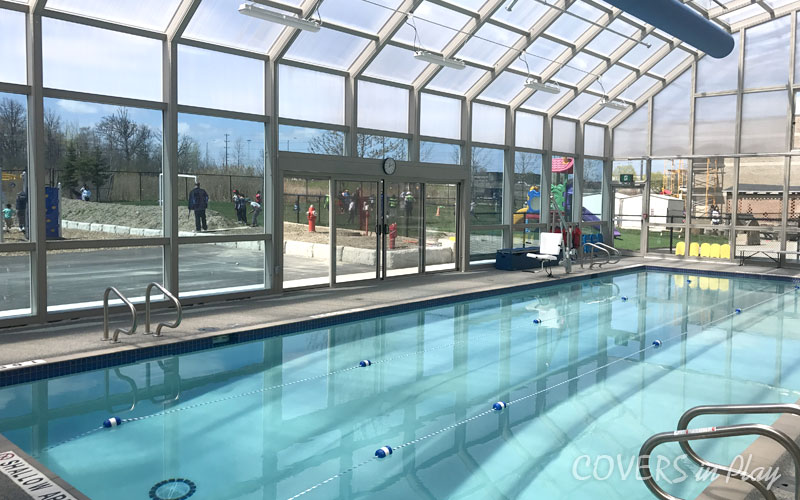
Enclosed Pool Weather Protection
The structure shields the pool from rain, wind, snow, and harmful UV rays, allowing for year-round swimming and reducing the need for frequent cleaning. Maintaining a controlled environment also helps preserve water temperature and prevents heat loss, which can lower energy costs. Additionally, the enclosure minimizes debris such as leaves and dirt from entering the pool, reducing maintenance efforts. Investing in an enclosed pool ensures both comfort and durability, making your backyard a more enjoyable space in any season.
Enclosed Pool Safety Features
Enclosed pool safety features include childproof locks, non-slip flooring, and integrated alarms that prevent unauthorized access, making a pool dome a secure option. The pool dome structure also acts as a barrier, reducing the risk of accidental falls or unsupervised swimming. Many pool domes comply with local building codes and safety regulations, ensuring peace of mind for homeowners. In addition to protecting children and pets, these features enhance security for all users. Incorporating a pool dome with robust safety measures combines convenience, functionality, and responsible design for a worry-free backyard experience.
Enclosed Pool Ventilation Systems
Proper airflow is essential for maintaining a comfortable environment in an enclosed pool. Their ventilation systems help control humidity, prevent condensation, and improve air quality, protecting both the structure and swimmers. These systems can include adjustable vents, exhaust fans, and dehumidifiers, ensuring optimal temperature and moisture levels. Integrating ventilation with heating or cooling solutions enhances energy efficiency and prolongs the life of the pool enclosure. By investing in an enclosed pool with effective ventilation, homeowners create a safer, more enjoyable space that remains comfortable throughout the year.
Enclosed Pool Cost Overview
Understanding the enclosed pool cost overview is crucial for planning your backyard investment. Costs vary based on enclosure type, materials, size, and installation complexity. Glass and aluminum structures may have higher upfront costs but offer durability and low maintenance, while polycarbonate options can be more budget-friendly. Installation expenses, labor, and any site preparation also contribute to the total. Long-term considerations include energy savings from reduced heating and maintenance needs. Evaluating the full enclosed pool cost overview helps homeowners make informed decisions and choose a solution that balances quality, functionality, and budget
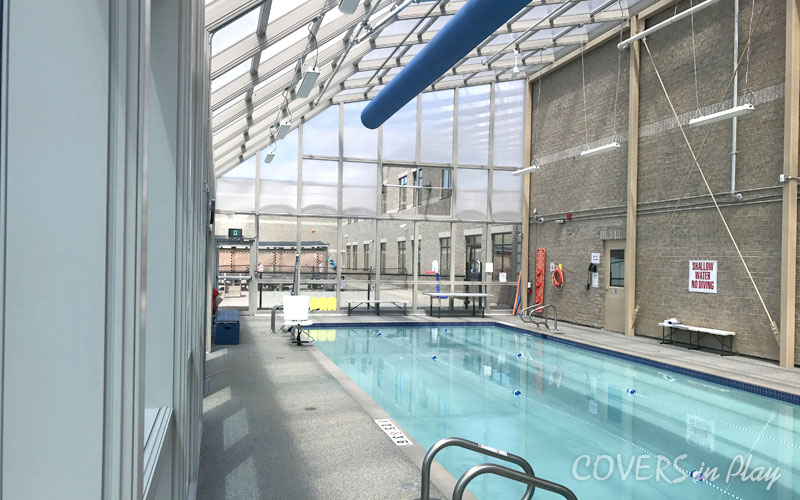
Enclosed Pool Comparison
A clear enclosed pool comparison helps facility managers and homeowners choose the right structure for their property, especially when considering Commercial Pool Enclosures. Options include fixed, retractable, and sliding enclosures, each offering unique benefits in usability, aesthetics, and durability. Materials such as glass, polycarbonate, and aluminum vary in cost, maintenance, and longevity. Climate considerations also play a role; some Commercial Pool Enclosures are better suited for colder regions, while others excel in sunny areas. By evaluating factors like safety, weather protection, energy efficiency, and long-term maintenance, you can select a Commercial Pool Enclosure that aligns with your operational needs and investment goals.
Maximizing Your Backyard with an Enclosed Pool
An enclosed pool can transform your backyard into a versatile and enjoyable space. By incorporating seating areas, gardens, or entertainment zones around the pool, you maximize both functionality and aesthetic appeal. Retractable roofing systems or sliding enclosures allow for open-air enjoyment when weather permits, while protecting against harsh conditions. Thoughtful landscaping and integration with outdoor furniture create a cohesive and inviting environment. Installing an enclosure pool not only enhances swimming comfort but also elevates the overall usability and value of your outdoor space, making it a central hub for family and social gatherings year-round.
Conclusion:
Investing in an enclosed pool offers numerous benefits, including enhanced comfort, safety, and year-round usability. By considering enclosed pool weather protection, safety features, ventilation systems, and costs, homeowners can make informed decisions that balance functionality and aesthetics. Comparing different enclosure types and materials ensures the right fit for your backyard and climate. Ultimately, an enclosed pool not only elevates your outdoor lifestyle but also adds long-term value to your property, making it a practical and stylish investment for families seeking enjoyment, safety, and convenience throughout the year.
Frequently Asked Questions:
Installation time varies depending on the type and size, but most enclosed pool projects take a few days to a few weeks, including site preparation and assembly.
Yes, high-quality materials such as tempered glass, polycarbonate, and aluminum frames are designed to resist wind, rain, snow, and UV exposure.
Enclosed pool ventilation systems control humidity, prevent condensation, and maintain air quality, enhancing comfort and prolonging the structure’s lifespan.
While initial investment varies, the enclosed pool cost overview shows that savings on maintenance, heating, and extended usability often outweigh upfront expenses.
Yes, most enclosures allow customization in size, shape, material, and style to match backyard aesthetics and functional requirements