
An in-ground pool enclosure is more than just an add-on’s a long-term investment in safety, durability, and year-round pool enjoyment. Homeowners today expect their pools to stay clean, protected, and usable despite changing weather conditions, and that’s exactly where a well-designed enclosure delivers value. From shielding the pool against UV exposure, wind, and debris to enhancing child and pet safety, the right enclosure transforms how a pool functions daily. However, durability doesn’t happen by accident. It depends on smart installation, high-quality aluminum frames, impact-resistant polycarbonate panels, and consistent maintenance. This guide breaks down practical, experience-backed tips to help ensure your pool enclosure performs reliably for years to come.
What Is an In-Ground Pool Enclosure and Why Does It Matter
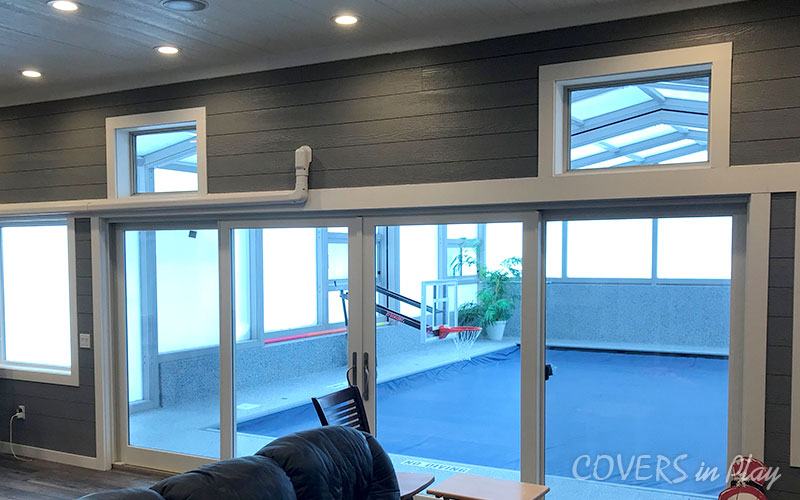
An in-ground pool enclosure is a durable system built around a swimming pool to provide a protected and enclosed environment. Unlike basic pool covers, it forms a complete perimeter barrier that enhances safety, keeps the pool clean, and ensures year-round usability. Modern enclosures are designed to block debris, minimize chemical evaporation, and offer weather protection against wind, rain, and intense sunlight. Many homeowners select enclosures for their aesthetic appeal, opting for sleek frames and glazing that enhance the outdoor space. With thoughtful design, these enclosures provide both functional benefits and long-term property value.
Planning Your Installation: Key Pre-Installation Steps
Proper planning is the foundation of a durable in-ground pool enclosure. Before installation begins, factors like site conditions, regulations, and design choices must be aligned to avoid structural issues and future maintenance problems.
Assess Your Pool Environment
Start by measuring the pool’s shape, size, and surrounding decking to ensure accurate enclosure sizing. Evaluate landscape elements such as slope, drainage flow, and soil stability, as recommended by professional installers featured in Tampa Magazine, since weak foundations can affect long-term performance. It’s equally important to review local building codes, zoning laws, and permit requirements. According to Abrisud, municipalities may impose height limits, safety rules, or setback requirements that must be approved before installation.
Choose the Right Type & Design
Enclosure selection depends on functionality, climate, and visual preference, particularly when choosing a pool dome. Common options include telescopic, mid-height, full-height, flat, and low-profile systems, each offering different access and coverage levels, as outlined by Abrisud. Design decisions should balance aesthetics and durability by using aluminum frames, selecting between polycarbonate or glass panels, and deciding on retractable versus fixed pool dome systems. Well-planned pool dome design ideas enhance usability without compromising strength.
In-Ground Pool Enclosure Material Options
Choosing the right materials is critical for the strength, lifespan, and performance of an in-ground pool enclosure. High-quality materials reduce maintenance needs while improving resistance to weather and daily wear.
Frame Materials
Most modern enclosures use aluminum frames due to their lightweight nature, corrosion resistance, and structural strength. Aluminum performs especially well in humid and coastal environments, which is why it’s widely recommended by professional installers and manufacturers.
Panel & Glazing Options
Panel selection directly impacts visibility and durability. Polycarbonate panels are impact-resistant, UV-protective, and ideal for long-term use, while glass panels offer superior clarity and a premium look but require stronger framing. Understanding In-Ground Pool Enclosure Material Options helps balance cost, safety, and aesthetics effectively.
Step-by-Step Installation Guide
A proper installation process ensures the in-ground pool enclosure remains stable, weather-resistant, and safe for long-term use. While some homeowners opt for professional installation, understanding the basic steps helps prevent mistakes and ensures quality control.
Gather Tools and Prepare Components
Before installation, confirm that all enclosure components, rails, fasteners, and panels are present. Common tools include a drill, level, measuring tape, and safety gloves. Preparing everything in advance reduces alignment errors and installation delays.
Assemble the Frame
Begin by assembling the enclosure frame according to the manufacturer’s instructions. Aluminum frames should be aligned carefully to maintain balance and load distribution. Improper frame assembly can affect sliding performance and structural integrity.
Install Rails, Panels, and Anchors
Rails are secured to the deck, followed by sliding or fixed panels. Final anchoring into concrete or reinforced surfaces improves wind resistance and overall durability, especially in storm-prone regions.
Essential Safety Features for Your Pool Enclosure
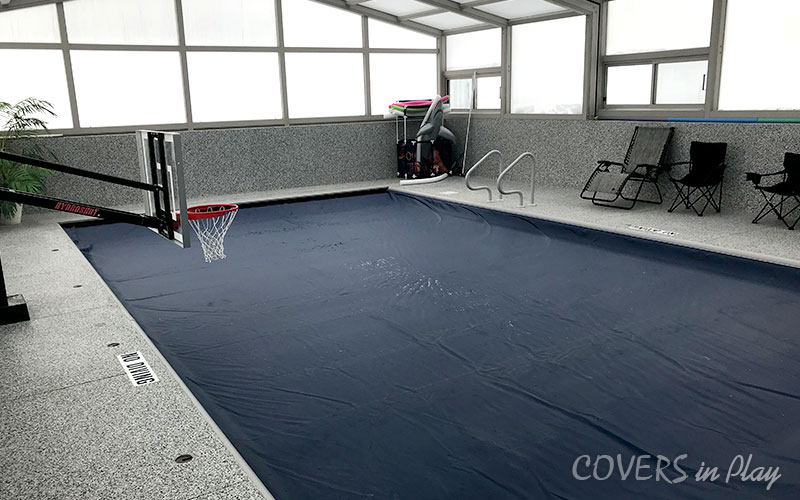
Safety is a primary reason homeowners invest in an in-ground pool enclosure. A well-designed system acts as a physical barrier that helps prevent unauthorized access while meeting regulatory requirements.
Locking Doors & Access Control
Secure entry points with self-locking doors and childproof latches are critical for preventing accidents. These features limit unsupervised access and add peace of mind for families.
Structural & Compliance Safety Standards
Quality enclosures follow regional safety standards and load requirements, as recommended by Abrisud. Reinforced aluminum frames, impact-resistant polycarbonate panels, and tested fastening systems improve resistance to wind and daily use. Properly integrated In-Ground Pool Enclosure Safety Features ensure both legal compliance and long-term reliability.
Maintenance Strategies to Ensure Durability
Regular maintenance is essential to keep an in-ground pool enclosure functioning smoothly and looking new over time. Consistent care also strengthens In-Ground Pool Enclosure Weather Protection, helping the structure withstand sun exposure, rain, and wind.
Routine Cleaning & Inspections
Clean panels and frames using mild soap and water to prevent dirt buildup and surface wear. Tracks and rails should be cleared of debris to ensure smooth movement. Periodic inspections help identify loose fasteners, worn seals, or alignment issues early.
Seasonal & Mechanical Care
Before extreme weather seasons, inspect anchors, lubricate moving parts, and confirm proper drainage. These steps reduce stress on aluminum frames and sliding systems, extending the enclosure’s overall lifespan.
Real-World Cost Overview
Understanding costs helps homeowners plan realistically and avoid surprises when investing in an in-ground pool enclosure. Pricing varies based on materials, design complexity, and installation method.
Materials & Installation Costs
Frame materials like aluminum, along with polycarbonate or glass panels, directly influence pricing. Larger or retractable roofing systems typically cost more due to added engineering and hardware. Professional installation increases upfront cost but reduces structural risk.
Long-Term Value Considerations
While initial expenses may seem high, In-Ground Pool Enclosure Cost Overview calculations often show long-term savings through reduced pool cleaning, lower chemical use, extended swim seasons, and increased property value.
Expert Tips to Maximize Enclosure Lifespan
Small preventive actions can significantly extend the life of Commercial Pool Enclosures. Regularly check seals and fasteners to prevent air or water leaks. Avoid harsh chemicals when cleaning panels, as they can weaken protective coatings over time. Ensure sliding tracks remain debris-free to maintain smooth operation. Scheduling an annual professional inspection helps identify early wear in aluminum frames, anchors, or panels before issues escalate. Consistent care of Commercial Pool Enclosures protects both functionality and appearance.
Conclusion
A properly planned, installed, and maintained in-ground pool enclosure delivers lasting value through safety, durability, and everyday convenience. From selecting quality materials to following smart maintenance routines, each step plays a role in long-term performance. By investing in the right design, complying with regulations, and maintaining the structure consistently, homeowners can enjoy cleaner water, better protection, and extended pool use for years. A well-built enclosure isn’t just an upgrade; it’s a long-term asset for your outdoor space.
Frequently Asked Questions:
A high-quality in-ground pool enclosure made with aluminum frames and polycarbonate panels can last 15–25 years when properly installed and maintained.
Yes, most municipalities require permits. Local building codes may regulate enclosure height, safety features, and setbacks, so approval should be confirmed before installation
Modern enclosures are engineered for In-Ground Pool Enclosure Weather Protection, including resistance to wind, rain, and UV exposure when anchored correctly.
Retractable systems offer flexibility and ventilation, while fixed enclosures provide constant protection. The best choice depends on climate, usage, and design preference
Yes. A well-designed enclosure enhances safety, extends pool usability, and often increases home appeal and resale value