
A residential retractable roof offers homeowners the perfect blend of comfort, style, and protection. Unlike traditional fixed roofs, these systems can be opened or closed depending on weather conditions, allowing for flexible outdoor living. Beyond aesthetics, retractable roofs provide significant defense against harsh sunlight and unpredictable weather, making patios, decks, and pool areas more usable year-round. Homeowners investing in these systems enjoy enhanced outdoor experiences without compromising on safety or convenience. This article explores how a residential retractable roof protects against weather and UV rays while highlighting key features, types, and maintenance tips.
What Is a Residential Retractable Roof?
A residential retractable roof is a versatile roofing system designed to provide both open-air enjoyment and reliable protection from the elements. Unlike fixed roofs, these systems can slide, fold, or roll back, allowing homeowners to adjust coverage according to weather conditions. Modern retractable roofs often include motorized controls, automation features, and durable materials that enhance both functionality and aesthetics. By integrating seamlessly with outdoor living spaces, they offer a practical solution for patios, pool areas, and gardens. Homeowners can enjoy fresh air on sunny days while staying protected from UV rays and sudden rain showers.
Types of Residential Retractable Roofs
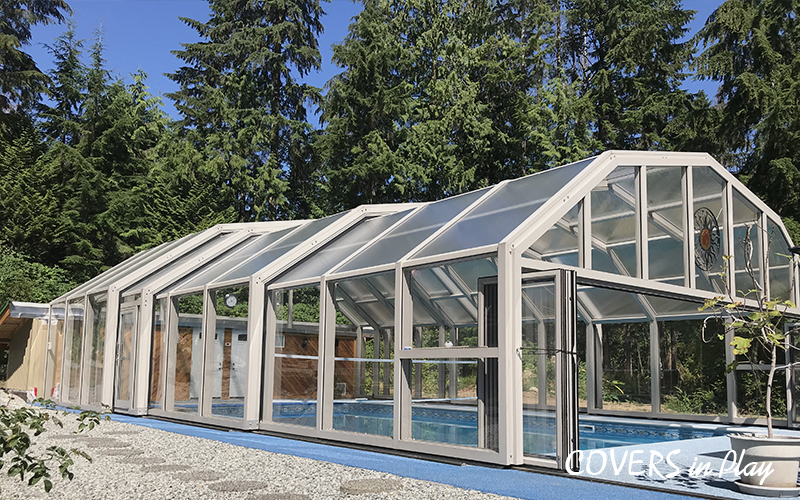
When choosing a residential retractable roof or pool dome, understanding the available types is essential for maximizing comfort and functionality. The main categories include motorized vs. manual systems. Motorized pool dome solutions offer enhanced convenience and can be controlled via remote devices or smartphone applications, while manual options are budget-friendly and reliable for simpler installations. Another key distinction is based on materials: fabric structures, aluminum frame systems, and polycarbonate panels—each type of pool dome provides specific advantages in durability, weather protection, and UV resistance. Some advanced pool dome systems also integrate smart home automation, allowing the structure to respond automatically to changing weather conditions. Selecting the right option ensures long-term performance, usability, and aesthetic appeal.
Features of Residential Retractable Roofs
A residential retractable roof comes with a range of features designed to enhance comfort, protection, and style. One of the most valuable is weather adaptability, allowing homeowners to enjoy outdoor spaces even during rain, wind, or snow. UV protection is another key feature, shielding skin, furniture, and flooring from harmful rays. Many systems offer aesthetic customization, letting you choose colors, materials, and designs that complement your home. Advanced models include energy-efficient elements, helping regulate temperature and reduce heating or cooling costs. Additionally, these roofs are built for safety and structural integrity, ensuring they withstand harsh conditions while providing long-lasting performance.
Materials for Residential Retractable Roofs
Choosing the right materials is crucial for a durable and efficient residential retractable roof. Common options include protective fabrics such as solution-dyed acrylic and PVC-coated textiles, which provide excellent UV and water resistance. Aluminum and steel frames ensure structural strength and longevity while remaining lightweight. Polycarbonate panels offer transparency, allowing natural light while blocking harmful UV rays. Some roofs incorporate insulating and UV-blocking coatings to improve energy efficiency and comfort. Selecting high-quality materials not only enhances protection against weather and sunlight but also ensures your retractable roof maintains its appearance and performance for years
Installation of Residential Retractable Roofs
Proper installation of residential retractable roof systems is essential for optimal performance and safety. The process begins with pre-installation planning, including a structural assessment and site survey to ensure your home can support the roof. Homeowners can choose between professional and DIY installation, though complex motorized systems typically require expert handling. Integration with home electrical and automation systems allows for seamless control of the roof, including automated responses to weather changes. Following proper installation guidelines ensures that your retractable roof functions smoothly, provides reliable protection against rain, wind, and UV rays, and maintains its durability over time
How Residential Retractable Roofs Protect Against Weather & UV Rays
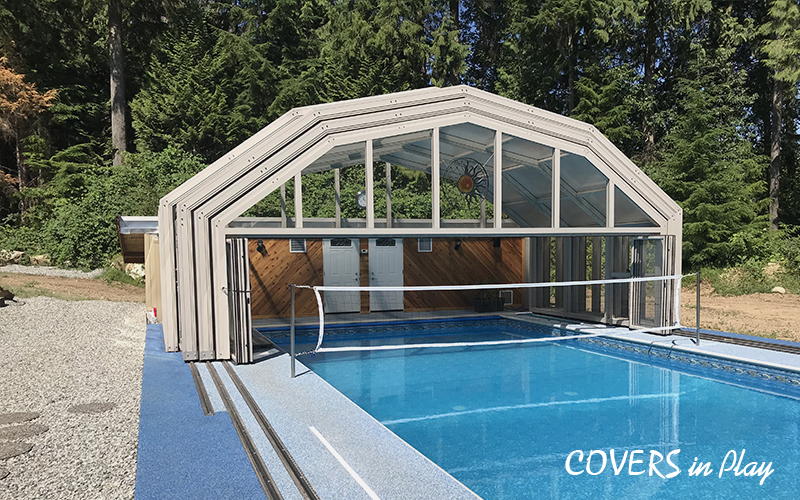
A residential retractable roof is specifically designed to shield your outdoor spaces from both weather and harmful sunlight. UV ray protection is achieved through specialized fabrics, polycarbonate panels, and coatings that block up to 99% of harmful rays, keeping your skin, furniture, and flooring safe. These roofs also offer weather resistance, including rainwater drainage systems, wind‑resistant frames, and snow-load capabilities, allowing year-round use. By controlling exposure to sunlight and rain, retractable roofs serve as an effective pool enclosure, maintaining comfortable temperatures and extending the usability of patios, decks, and pool areas. They provide homeowners with flexibility, safety, and lasting protection in all seasons.
Maintenance of Residential Retractable Roofs and Commercial Pool Enclosures
Regular maintenance of Commercial Pool Enclosures and residential retractable roof systems is essential to ensure longevity and reliable performance. Routine cleaning of fabrics, panels, and structural frames helps prevent debris buildup, mold growth, and surface staining. Seasonal inspections should include checking seals, moving components, motors, and drainage systems to maintain smooth and safe operation. Facility managers and homeowners alike should address common issues such as motor malfunctions, material wear, or frame corrosion without delay. Proper maintenance not only preserves the enclosure’s protection against UV exposure and harsh weather conditions but also sustains its visual appeal. Following a consistent care schedule ensures Commercial Pool Enclosures remain durable, efficient, and visually appealing for years to come.
Cost Considerations and ROI
Investing in a residential retractable roof can vary in cost depending on materials, size, and system complexity. Basic manual fabric roofs are more affordable, while motorized or polycarbonate systems require a higher initial investment. Despite upfront costs, homeowners often see long-term benefits through energy savings, reduced wear on outdoor furniture, and enhanced property value. Retractable roofs also improve outdoor usability, making patios and pools more enjoyable year-round, which can positively impact resale appeal. Considering the return on investment, a well-chosen retractable roof provides both protection against UV rays and weather and adds functional, aesthetic value to your home.
Conclusion:
A residential retractable roof is a smart investment for homeowners seeking protection from weather and UV rays while enhancing outdoor living spaces. With options in materials, types, and features, these roofs provide flexibility, energy efficiency, and long-term durability. Proper installation and regular maintenance of residential retractable roof systems ensure optimal performance year-round. By choosing the right system, homeowners can enjoy comfort, safety, and aesthetic appeal, making patios, decks, and pool areas functional in any season. Explore the range of retractable roof solutions at CoversInPlay to find the perfect fit for your home.
Frequently Asked Questions:
With proper installation and maintenance of residential retractable roof systems, most high-quality roofs can last 15–25 years, depending on the materials used and exposure to weather conditions. Regular inspections and cleaning help maximize lifespan.
Yes. Many modern residential retractable roof systems are designed with weather resistance in mind. Aluminum or steel frames, reinforced fabrics, and polycarbonate panels can handle snow loads and strong winds, making them safe for year-round use.
Routine cleaning and inspection should be done at least twice a year, with seasonal checks in spring and fall. This includes checking seals, motors, fabric wear, and drainage systems to ensure smooth operation.
Motorized retractable roofs require electricity to operate automated systems. However, manual retractable roofs do not offer a budget-friendly option without compromising functionality.
Yes. Many modern residential retractable roof models come with smart automation, allowing homeowners to control the roof remotely or program it to respond to weather changes automatically.
Absolutely. By providing shade during hot months and insulation during cooler seasons, retractable roofs reduce energy costs, improve indoor comfort, and protect outdoor furniture from sun damage