
An automatic pool enclosure system transforms how and how long you enjoy your pool. For many homeowners, unpredictable weather, heat loss, debris, and safety concerns shorten the swimming season far too early. A well-engineered enclosure changes that equation by creating a controlled microclimate that captures warmth, blocks wind, and keeps the pool area clean and secure. The result is more swim days, lower operating costs, and a consistently comfortable experience.
Modern systems combine retractable enclosure technology, precision motorized track systems, and durable aluminum frames with impact-resistant polycarbonate panels to deliver reliability without sacrificing aesthetics. Beyond comfort, these enclosures reduce evaporation, stabilize water temperature, and limit chemical lossbenefits that compound over time. They also add a robust safety barrier for families, protecting children and pets while meeting local compliance expectations.
This guide breaks down how reliable automatic enclosures extend your swimming season, what design and material choices matter most, how to maintain performance, and why the long-term value often outweighs the upfront investment. Whether your goal is year-round usability, peace of mind, or smarter pool ownership, understanding the fundamentals will help you make confident, future-proof decisions.
How Automatic Pool Enclosures Extend Your Swimming Season
Extending pool use beyond the peak summer months requires controlling the environmental factors that typically shut pools down early. Automatic pool enclosures are engineered to solve exactly that problem by reducing exposure to weather, stabilizing temperatures, and protecting water quality without sacrificing usability or aesthetics.
Why Outdoor Pools Are Seasonal
Most outdoor pools are seasonal because they are fully exposed to changing weather conditions. Cooler air temperatures, wind, and frequent rainfall rapidly reduce water temperature, making swimming uncomfortable even during mild seasons. Falling leaves, dust, insects, and other debris further increase cleaning demands and maintenance costs. Over time, these factors discourage regular use.
Another major issue is evaporation. Heat loss occurs most rapidly when warm pool water is exposed to cool air and wind, causing temperatures to drop overnight. As water evaporates, heat and pool chemicals are lost simultaneously, increasing heating expenses and chemical usage. Commercial Pool Enclosures protect from these elements, helping maintain consistent water temperatures, reduce maintenance, and extend the usable swimming season, making pool use possible year-round.
How Enclosures Create a Microclimate
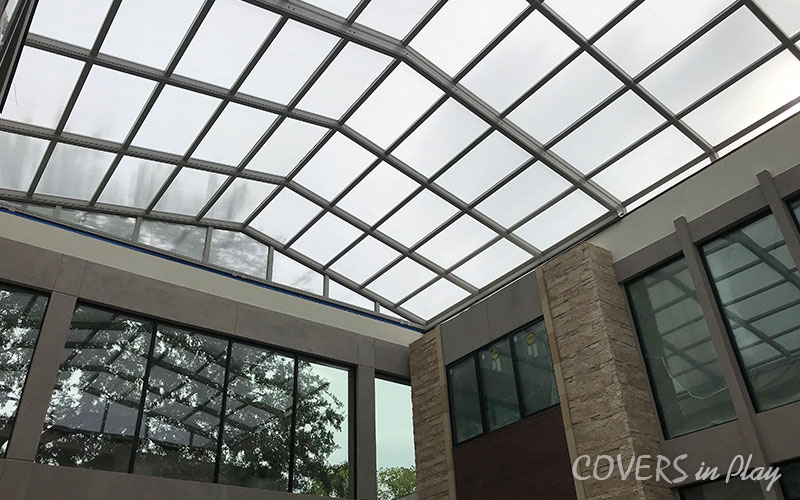
Automatic pool enclosures work by creating a protected microclimate around the pool area. Transparent roofing and wall systems allow sunlight to pass through, enabling solar heat trapping that naturally warms both the air and the water. Once heat is captured, the enclosure acts as an insulating barrier, preventing warm air from escaping and minimizing nighttime temperature drops.
Wind interference is another critical factor. By blocking wind, enclosures significantly reduce surface evaporation, which helps maintain water temperature and lowers energy consumption. This controlled environment keeps the pool comfortable even during cooler mornings, evenings, and transitional seasons like spring and fall.
Modern retractable enclosure systems enhance this benefit by offering flexibility. On warm days, the enclosure can be opened to enjoy fresh air; during colder or windy conditions, it can be closed to preserve heat. Proven systems from manufacturers such as Albixon Canada demonstrate how automated designs enable reliable, near year-round usability without compromising convenience. By combining insulation, solar gain, and automation, enclosures transform a short swimming season into an extended, dependable experience.
Performance-Driven Automatic Pool Enclosures Design Ideas
Design plays a critical role in how effectively automatic pool enclosures perform. Beyond appearance, the right design determines usability, comfort, and how seamlessly the enclosure fits into daily living. Modern systems are engineered to balance thermal efficiency, operational flexibility, and visual harmony with the surrounding spaceensuring the enclosure enhances, rather than dominates, the pool area.
Retractable vs Fixed Systems
One of the most important design decisions is choosing between retractable and fixed systems. Retractable enclosure systems offer open/close flexibility, allowing homeowners to adapt instantly to changing weather conditions. On warm, sunny days, the enclosure can be opened to enjoy fresh air and natural surroundings. When temperatures drop or wind and rain appear, closing the structure preserves warmth and comfort. This adaptability is a major reason manufacturers like Albixon Canada emphasize retractable designs for extended seasonal use.
Fixed enclosures, on the other hand, provide continuous protection and insulation. While they lack flexibility, they deliver consistent temperature control and are often favored in regions with colder or highly variable climates. The tradeoff comes down to lifestyle preferencesretractable systems prioritize versatility, while fixed systems prioritize constant environmental control.
Integration With Landscape & Architecture
Effective automatic pool enclosures should integrate naturally with the existing outdoor environment. Thoughtful patio and deck integration ensures smooth transitions between indoor and outdoor spaces without obstructing walkways or views. Track placement, enclosure height, and access points must be aligned with how the pool area is used daily.
Architectural consistency is equally important. Matching enclosure lines with roof slopes, window geometry, and exterior finishes helps maintain visual balance. Clean aluminum frames paired with transparent polycarbonate panels or glass allow the enclosure to blend into modern and traditional homes alike. Many homeowners explore automatic pool enclosures design ideas that prioritize low-profile structures, neutral finishes, and minimal visual clutterachieving performance-driven functionality without sacrificing curb appeal.
Automatic Pool Enclosure’s Material Options That Matter
Material selection directly affects the durability, performance, and long-term reliability of automatic pool enclosures. High-quality materials not only improve structural strength but also enhance insulation, weather resistance, and ease of operation. Choosing the right combination ensures the enclosure performs consistently across seasons while maintaining its visual appeal.
Frame Materials and Structural Strength
Most premium automatic enclosures rely on aluminum frames due to their ideal balance of strength, weight, and corrosion resistance. Aluminum performs exceptionally well in humid, coastal, and high-rainfall environments, where other materials may degrade over time. Its lightweight nature also supports smooth automated movement along tracks, reducing strain on motors and mechanical components. In some high-load designs, reinforced aluminum profiles are used to improve wind and snow resistance without increasing visual bulk.
Panel and Glazing Choices
Panel materials influence insulation, safety, and light transmission. Polycarbonate panels are widely used because they are impact-resistant, UV-protective, and excellent at retaining heat. These panels allow sunlight to warm the enclosed space while blocking harmful ultraviolet rays. Glass panels, often tempered or laminated, offer superior clarity and a premium appearance but require stronger framing and careful handling. Understanding Automatic pool enclosures’ material options helps homeowners balance clarity, insulation performance, and long-term durability based on climate and usage needs.
Motor, Track, and Automation Components
Beyond visible materials, internal components play a critical role. Reliable motors ensure smooth opening and closing cycles, while precision-engineered track systems support quiet, low-resistance movement. High-quality rollers, sealed bearings, and weather-resistant control systems reduce mechanical wear and improve automation reliability. These hidden elements are essential for maintaining consistent performance and minimizing maintenance over time.
Material Selection and Long-Term Value
Investing in durable materials upfront reduces repair costs and extends the enclosure’s lifespan. Well-engineered material combinations improve insulation efficiency, protect against environmental stress, and support seamless automation. When selected correctly, these materials transform an enclosure from a simple covering into a long-term performance asset.
Automatic Pool Enclosures Safety Features for Peace of Mind
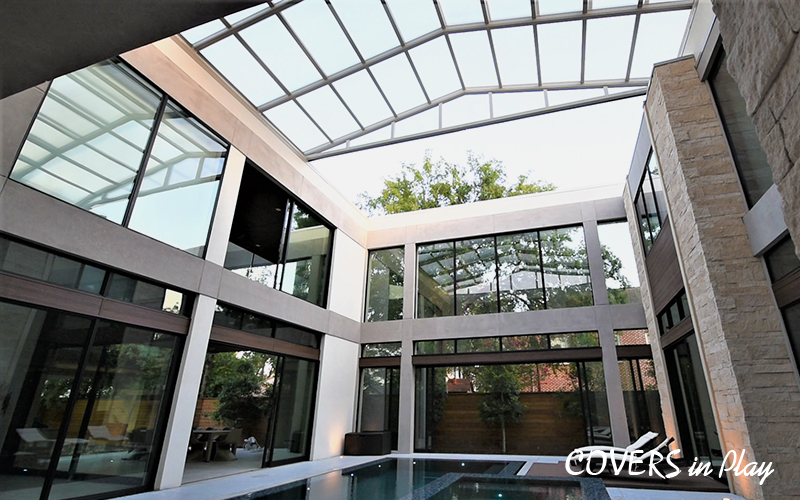
Safety is a core reason homeowners invest in automatic pool enclosures. Beyond extending the swimming season, these systems are engineered to reduce risk, control access, and comply with safety expectations without compromising convenience or aesthetics. A performance-driven enclosure integrates multiple safeguards that work together to protect people, pets, and property.
Controlled Access and Locking Mechanisms
Modern enclosures incorporate controlled access through lockable entry points and secure operating controls. Key-operated switches, coded panels, or app-based controls prevent unauthorized opening, especially by children. When closed, the enclosure forms a continuous physical barrier around the pool area, significantly reducing accidental entry. This layer of protection is particularly valuable for families and homes that host guests frequently.
Structural Safety and Load Resistance
High-quality systems are designed to handle environmental loads such as wind, rain, and light snow. Reinforced aluminum frames distribute structural stress evenly, while impact-resistant polycarbonate panels add durability without excessive weight. These components are tested to maintain integrity during daily operation and adverse conditions, ensuring the enclosure remains stable and secure when closed.
Automation Safeguards and Fail-Safe Design
Automation introduces additional safety benefits when engineered correctly. Sensors and limit switches help prevent misalignment during opening and closing cycles, reducing the risk of mechanical failure. Many systems include emergency stop functions and manual override options, allowing safe operation during power interruptions. These features protect both users and the enclosure’s motorized components.
Compliance, Visibility, and Peace of Mind
Transparent panel designs preserve visibility across the pool area, allowing caregivers to maintain clear sightlines while the enclosure is closed. This visibility, combined with access controls and structural strength, defines modern automatic pool enclosures’ safety features. Together, they help homeowners meet local safety expectations while enjoying a protected, comfortable pool environment throughout the year.
Maintenance & Care, Including Automatic Pool Enclosures Maintenance Tips
Consistent maintenance is essential to keep automatic pool dome systems operating smoothly and delivering long-term value. While modern pool domes are engineered for durability, routine care helps prevent mechanical issues, preserves appearance, and ensures reliable seasonal performance.
Routine Cleaning of Panels and Tracks
Regular cleaning prevents dirt, pollen, and debris from affecting enclosure movement and visibility. Panels should be washed using mild soap and water to avoid damaging protective coatings. Tracks and rails must remain clear to support smooth automated operation. This simple habit reduces friction and minimizes wear on moving components.
Motor and Mechanical System Care
Motorized systems should be inspected periodically to ensure proper alignment and responsiveness. Lubricating rollers and bearings, as recommended by the manufacturer, helps maintain quiet, efficient movement. Monitoring control switches and automation settings ensures the enclosure opens and closes without interruption, even during frequent use.
Seasonal Checks and Preventive Maintenance
Before colder or storm-heavy seasons, inspect seals, fasteners, and anchors to confirm structural stability. Addressing minor adjustments early prevents long-term damage and supports automatic pool enclosures’ weather protection performance. Following practical Automatic pool enclosures maintenance tips not only extends system lifespan but also reduces unexpected repair costs over time.
Weather Protection & Climate Resistance
One of the strongest advantages of automatic pool enclosures is their ability to protect the pool environment from changing and extreme weather conditions. By creating a controlled enclosure, these systems allow consistent pool use regardless of season or climate variability.
Protection From Wind, Rain, and Debris
Enclosures act as a physical shield against wind and rain, preventing rapid heat loss and water contamination. By blocking strong airflow, surface evaporation is significantly reduced, helping maintain stable water temperatures. Fallen leaves, dust, and insects are also kept out, which lowers cleaning frequency and preserves water quality.
UV Resistance and Thermal Control
Transparent roofing panels allow sunlight to enter while filtering harmful ultraviolet rays. This balance enables natural solar warming during the day and insulation at night. High-quality polycarbonate panels provide both UV resistance and thermal efficiency, ensuring comfort during cooler months.
All-Season Reliability and Structural Stability
Engineered frames and anchoring systems allow enclosures to perform reliably during storms, temperature shifts, and prolonged exposure to the elements. Properly designed automatic pool enclosures with weather protection features ensure year-round usability while protecting the structure itself from environmental stress.
Comparing Cost vs Value
When evaluating automatic pool enclosures, it’s important to look beyond upfront pricing and consider long-term return on investment. While initial costs vary based on size, materials, automation level, and installation complexity, the value delivered over time often outweighs the initial expense.
Upfront Investment Factors
Costs are influenced by enclosure design, aluminum frame specifications, panel choice, and motorized automation systems. Larger pools, retractable roofing systems, and premium glazing typically require higher investment due to added engineering and components. Professional installation also contributes to upfront pricing but ensures optimal performance and structural reliability.
Long-Term Savings and Efficiency
Over time, enclosures help reduce heating costs by limiting heat loss and evaporation. Chemical usage also decreases because the pool remains cleaner and more stable. These operational savings accumulate season after season, offsetting a portion of the initial expense.
Property Value and Lifestyle Returns
Beyond financial metrics, enclosures add measurable lifestyle value. Extended swimming seasons, improved safety, and reduced maintenance increase daily usability and home appeal. From a resale perspective, well-designed automatic pool enclosures are often viewed as premium upgrades, enhancing overall property value while delivering consistent year-round enjoyment.
Real User Experiences with Automatic Pool Enclosures
Real-world use highlights the everyday value of automatic pool enclosures beyond technical features and specifications. Homeowners consistently report increased comfort, convenience, and confidence once an enclosure becomes part of their pool environment.
Extended Use and Everyday Convenience
Many users note that their swimming season expands from a few summer months to most of the year. Morning swims in cooler weather, evening use without temperature drops, and reduced downtime after rain become routine benefits. The ability to open or close the enclosure in seconds adds flexibility without disrupting daily schedules.
Reduced Maintenance and Cleaner Pools
Homeowners frequently mention cleaner water and lower maintenance demands. With debris, insects, and environmental contaminants kept out, pools require less vacuuming and chemical balancing. This consistency improves water clarity and reduces time spent on upkeep.
Safety, Peace of Mind, and Satisfaction
Families value the added safety of a fully enclosed pool area, especially for homes with children or pets. Secure access, visibility, and automated controls create confidence even when the pool is not in use. Overall, user feedback reflects high satisfaction driven by reliability, comfort, and long-term usability reasons. Automatic enclosures are viewed as worthwhile, lifestyle-enhancing investments.
Conclusion
Investing in automatic pool enclosures is one of the most effective ways to transform a pool from a seasonal feature into a year-round lifestyle asset. By reducing heat loss, blocking debris, and shielding the pool from changing weather conditions, these systems remove the limitations that typically shorten swimming seasons. The result is more consistent comfort, lower operating costs, and a cleaner, safer pool environment.
From performance-driven design and durable materials to advanced safety systems and reliable weather protection, every element of a well-built enclosure contributes to long-term value. When paired with routine care and smart maintenance practices, automatic enclosures continue delivering benefits for years without disruption.
Whether the goal is extended swim time, enhanced safety, or improved property value, a thoughtfully designed automatic enclosure offers a dependable solution. With the right system in place, pool ownership becomes simpler, more enjoyable, and far less restricted by the calendarallowing you to swim longer, smarter, and with complete peace of mind.
Frequently Asked Questions:
Automatic pool enclosures trap solar heat, reduce evaporation, and block wind, allowing pools to stay warm and usable during cooler months.
Yes. Modern systems include controlled access, secure locking mechanisms, and strong structural barriers, making them highly effective safety solutions.
No. Basic cleaning, track inspection, and periodic motor checks are usually sufficient when following Automatic pool enclosures maintenance tips
High-quality systems are engineered for automatic pool enclosures weather protection, including resistance to wind, rain, and UV exposure.
Yes. They enhance safety, extend usability, reduce maintenance, and are often seen as premium upgrades that improve overall home appeal.