
Investing in swimming pool heaters is one of the most effective ways to extend your swimming season and improve overall pool comfort. Whether you want warmer morning swims or consistent water temperature throughout the year, the right heating system makes a measurable difference. Modern pool heating solutions range from heat pump systems to gas heaters and energy-efficient solar options, each designed for different climates, budgets, and usage patterns. Before making a purchase decision, it is essential to understand how pool heaters work, what factors affect performance, and how efficiency and operating costs vary. This guide is designed to help you make an informed, long-term investment choice.
What Are Swimming Pool Heaters and How Do They Work?
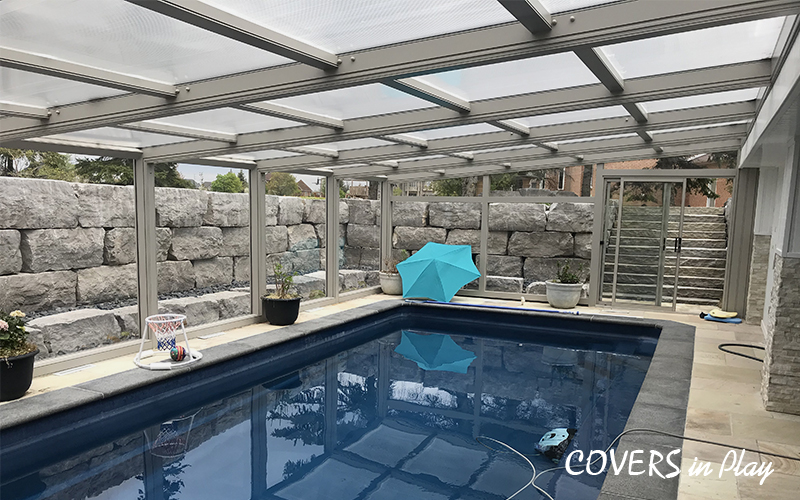
Swimming pool heaters are mechanical or energy-based systems designed to raise and maintain pool water temperature at a comfortable level, particularly when used alongside a Retractable Roof. These systems work by transferring heat into the water using various energy sources such as electricity, gas, or solar power. Common configurations include heat pump technology, gas burners, and solar collectors, each relying on a distinct heat transfer process. Water circulates from the pool through the heater, where it is warmed and returned at a controlled temperature. When combined with a Retractable Roof, heat retention is significantly improved, reducing energy loss. Understanding this basic operation is essential, as heater performance depends on ambient temperature, proper system sizing, insulation, and enclosure efficiency.
Types of Swimming Pool Heaters Available Today
There are several categories of swimming pool heaters, each suited to different usage needs, climates, and energy preferences. The most commonly used options include heat pump pool heaters, gas pool heaters, solar heating systems, and electric resistance heaters. Heat pumps extract warmth from the surrounding air and are known for high energy efficiency, while gas heaters provide rapid heating regardless of weather conditions. Solar systems rely on renewable energy and perform best in sunny regions, whereas electric resistance heaters are typically used for smaller pools or spas. Choosing the right type depends on pool size, operating cost expectations, and seasonal usage patterns.
Swimming Pool Heaters Installation Guide: What to Expect
Proper installation is critical to ensure the swimming pool heaters operate safely and efficiently over the long term. This swimming pool heater installation guide begins with selecting the correct heater size based on pool volume, climate conditions, and desired temperature rise. Professional installers evaluate BTU rating, electrical capacity, plumbing layout, and equipment clearance before setup. For heat pump systems, adequate airflow and ambient temperature exposure are essential, while gas heaters require proper ventilation and fuel connections. Incorrect installation can reduce efficiency, increase operating costs, and shorten equipment lifespan, making expert installation strongly recommended
Swimming Pool Heaters Cost Breakdown
Understanding the total cost of ownership is essential when evaluating swimming pool heaters. This swimming pool heater cost breakdown includes the upfront purchase price, installation expenses, and long-term operating costs. Heater prices vary by type, with heat pump systems typically costing more initially but offering lower monthly energy consumption. Gas heaters may have a lower purchase price but higher fuel costs over time. Installation costs depend on electrical upgrades, plumbing modifications, and site preparation. Factoring in maintenance, energy rates, and usage frequency helps ensure realistic budgeting and prevents unexpected expenses after installation
Swimming Pool Heaters Efficiency Overview
Energy performance varies significantly among swimming pool heaters, making efficiency a critical buying factor, particularly when used with a pool dome. This swimming pool heater efficiency overview focuses on how design and operating conditions influence output. Heat pump systems are widely recognized for high efficiency because they transfer heat rather than generate it, often measured by the Coefficient of Performance (COP). Solar heating panels rely on consistent sunlight, while gas heaters deliver fast results with higher fuel consumption. The presence of a pool dome, along with pool covers, insulation, climate, and run time, all affect real-world efficiency. Selecting the right heater for your environment ensures optimal energy savings and long-term value.
Swimming Pool Heaters Maintenance Tips for Long-Term Reliability
Routine care is essential to keep swimming pool heaters operating efficiently and to extend their service life, especially in facilities with Commercial Pool Enclosures. These swimming pool heater maintenance tips include regularly cleaning filters, inspecting heat exchanger components, and ensuring proper water chemistry to prevent corrosion or scale buildup. Heat pump units require periodic coil cleaning to maintain airflow, while gas heaters should be checked for burner efficiency and ventilation safety. Seasonal inspections help identify minor issues before they become costly repairs. Consistent maintenance in Commercial Pool Enclosures not only improves performance but also preserves manufacturer warranties and reduces unexpected downtime.
Swimming Pool Heaters Comparison
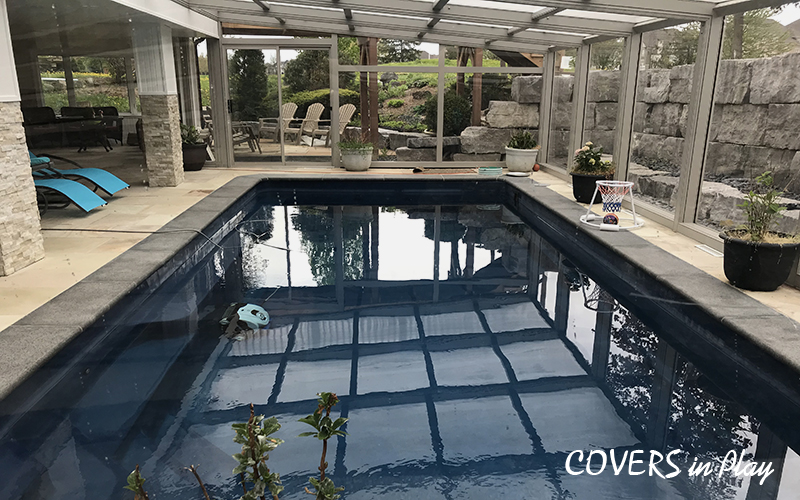
A clear swimming pool heater comparison helps buyers identify which system best matches their needs. While all swimming pool heaters serve the same purpose, their performance differs across efficiency, cost, and suitability. Heat pump heaters offer excellent energy efficiency and lower operating costs in moderate climates. Gas heaters provide rapid heating and consistent output, making them ideal for intermittent use. Solar pool heaters deliver the lowest running costs but depend heavily on sunlight availability. Additionally, when considering a pool enclosure, homeowners can create a more controlled environment, enhancing the heater’s performance and efficiency. Comparing lifespan, installation complexity, and climate compatibility allows homeowners to select a heater that balances performance, budget, and long-term value.
Conclusion
Choosing the right swimming pool heaters ensures a comfortable swimming experience while optimizing energy use and long-term costs. By understanding different types, installation requirements, swimming pool heater maintenance tips, and efficiency considerations, pool owners can make informed decisions that suit their climate, budget, and lifestyle. Whether you prioritize rapid heating, energy savings, or eco-friendly options, the right system enhances your pool enjoyment throughout the year. Take the time to compare models, evaluate costs, and consult professionals to invest in a solution that provides reliable performance for years to come.
Frequently Asked Questions:
Yes, most swimming pool heaters are compatible with above-ground pools, but it’s important to check the heater’s capacity and BTU rating to ensure it can efficiently heat the water volume. Proper installation and circulation are essential for optimal performance.
Heating time depends on the heater type, pool size, and desired temperature. Gas heaters provide near-instant results, while heat pumps and solar systems may take longer but are more energy-efficient over time.
Efficiency is influenced by heater type, ambient temperature, pool insulation, and runtime. Using a pool cover and scheduling heating during optimal conditions can significantly improve efficiency.
Regular maintenance is crucial. Inspect filters, coils, burners, and electrical connections at least once a season, and perform seasonal checks to prevent corrosion, scaling, or efficiency loss.
For moderate climates, heat pumps are highly efficient. In cooler regions or for rapid heating, gas heaters work best. Sunny areas can benefit from solar pool heaters, offering low operating costs with sustainable energy.