
Choosing the right telescopic pool enclosures is about balancing durability, usability, and long-term value, not just visual appeal. A well-engineered enclosure allows you to enjoy open-air swimming when the weather is ideal and full protection when conditions change. Modern systems rely on powder-coated aluminum profiles, smooth rail and track systems, and impact-resistant polycarbonate panels to deliver strength without bulk. This guide is designed to help homeowners make confident, informed decisions by understanding how structure, materials, and design choices directly affect performance, safety, and cost over time, so your investment pays off year after year.
What Are Telescopic Pool Enclosures and How Do They Work?
Telescopic pool enclosures are modular structures made of multiple sliding segments that move smoothly along rail and track systems installed beside the pool. Each section can telescope over the next, allowing the enclosure to fully open, partially open, or close completely depending on weather and usage needs. These systems are built using powder-coated aluminum frames for strength and corrosion resistance, combined with durable polycarbonate panels for protection and visibility. Unlike fixed enclosures, telescopic designs offer flexibility, giving homeowners control over ventilation, sunlight, and coverage without sacrificing structural stability or long-term performance.
Choosing the Right Height and Footprint for Your Pool Area
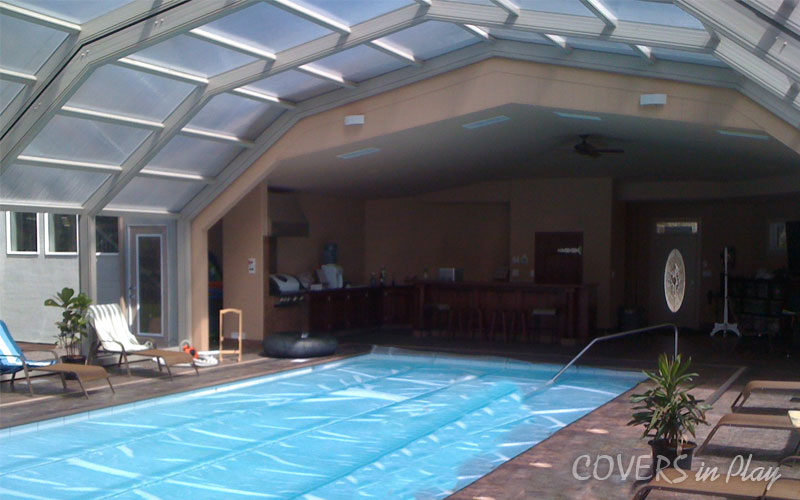
Selecting the correct size is a critical step when investing in a Retractable Roof for your pool. Height options typically range from low-profile designs that sit close to the water to high enclosures that allow standing, seating, and movement around the pool. Your choice should reflect how the space will be used, whether for swimming only or full poolside activities. The footprint should also extend beyond the pool itself to allow safe access and circulation. Proper sizing of a Retractable Roof ensures smooth module movement, better usability, and long-term comfort without unnecessary structural or cost compromises.
Track Layout and Movement: Why Design Details Matter
The performance of telescopic pool dome systems depends heavily on track configuration and movement design. High-quality pool domes use precision-aligned rail and track systems that allow each segment to glide smoothly without binding or uneven wear. Layout options typically include side-stacking or center-stacking, depending on available deck space and clearance. Track width, wheel quality, and alignment accuracy directly affect ease of operation and long-term reliability. Thoughtful track design not only improves daily usability but also reduces maintenance issues, ensuring the pool dome continues to operate efficiently in all conditions.
Telescopic Pool Enclosures
Material selection plays a major role in how Commercial Pool Enclosures perform over time. High-quality systems rely on powder-coated aluminum frames for strength, corrosion resistance, and lightweight operation. For paneling, buyers can choose from clear, tinted, or multi-wall polycarbonate panels, each offering different levels of insulation, impact resistance, and light transmission. Understanding Commercial Pool Enclosures’ material options helps match durability with climate conditions and usage needs. Choosing the right combination of frame and panel materials ensures structural stability, smooth operation, and consistent performance across changing weather conditions.
Durability Factors
Long-term performance of telescopic pool enclosures depends on how well the system is engineered for real environmental stress. Durable designs account for wind exposure, seasonal temperature changes, and repeated opening and closing. Reinforced load-bearing structures, tested wind load ratings, and smooth-rolling wheel assemblies reduce strain on moving parts. Protective finishes on powder-coated aluminum profiles help prevent corrosion, especially in humid or coastal environments. Attention to seals, joints, and drainage paths also minimizes wear over time. These durability factors ensure the enclosure remains stable, safe, and easy to operate year after year.
Safety Features That Protect Family and Property
Well-designed telescopic pool enclosures play a critical role in improving pool safety without limiting usability. Modern systems include lockable access points, secure sliding mechanisms, and reinforced aluminum frame systems that prevent accidental entry. High-impact polycarbonate panels add an extra layer of protection while maintaining visibility. Integrated anti-lift devices and controlled track movement reduce the risk of forced opening during high winds. Understanding pool enclosures’ safety features helps homeowners create a safer environment for children and pets while also protecting the pool area from unauthorized access and weather-related damage.
Telescopic Pool Enclosures Installation Guide
Proper installation is essential for ensuring telescopic pool enclosures perform smoothly and last for decades. The process begins with accurate site measurements, surface leveling, and precise alignment of rail and track systems along the pool deck. Tracks must be securely fixed to support repeated movement and structural loads. Panels and modules are then assembled in sequence to ensure balanced operation and proper sealing. Following a clear pool enclosures installation guide helps avoid common issues such as misalignment, uneven movement, or premature wearensuring reliable operation, safety, and long-term durability from day one.
Telescopic Pool Enclosures Maintenance Tips for Long-Term Performance
Regular upkeep plays a key role in extending the lifespan of telescopic pool enclosures and maintaining smooth operation. Routine cleaning of polycarbonate panels prevents buildup that can reduce clarity and performance, while keeping rail and track systems free of debris ensures effortless movement. Periodic inspection of rollers, fasteners, and seals helps identify wear before it becomes a structural issue. Applying manufacturer-recommended lubricants to moving components also reduces friction. Following practical pool enclosures maintenance tips minimizes repair costs, preserves safety features, and keeps the enclosure operating efficiently throughout the year.
Design Ideas That Blend Style With Functionality
Modern telescopic pool enclosures are designed to enhance aesthetics without compromising performance. Homeowners can choose low-profile designs for a minimal visual impact or higher enclosures that create a usable poolside living space. Frame finishes in neutral tones help the structure blend naturally with existing architecture, while transparent polycarbonate panels maintain open sightlines and natural light. Strategic placement of doors and ventilation panels improves airflow and convenience. Exploring pool enclosures design ideas allows you to create a balanced solution that complements your outdoor space while maintaining strength, usability, and long-term durability.
Affordability Without Sacrificing Quality
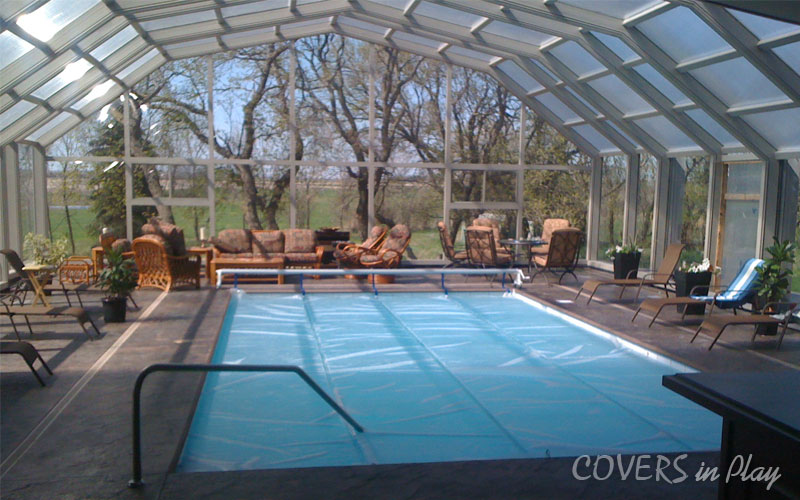
When evaluating telescopic pool enclosures, affordability should be measured by long-term value rather than upfront price alone. Lower-cost systems often reduce expenses by using thinner frames, weaker rolling components, or lower-grade panelschoices that can lead to higher maintenance and early replacement. Well-engineered enclosures balance cost with performance by combining durable materials, efficient design, and reliable structural support. Over time, reduced repair needs, improved energy retention, and consistent operation offset the initial investment. Choosing a system built for longevity ensures predictable ownership costs and dependable performance without compromising safety or daily usability.
Conclusion
Selecting the right telescopic pool enclosures is a strategic decision that impacts comfort, safety, and ongoing ownership costs. When durability, engineering quality, and thoughtful design are prioritized, the enclosure becomes a reliable extension of your home rather than a maintenance burden. Understanding how structure, materials, safety systems, and usability work together allows homeowners to avoid short-term compromises and costly mistakes. A well-chosen telescopic enclosure delivers year-round protection, flexible outdoor enjoyment, and dependable performance, making it a smart, long-term investment for both your pool and your property.
Frequently Asked Questions:
High-quality telescopic pool enclosures can last 15 to 25 years when built with durable aluminum frames and impact-resistant panels. Lifespan depends on climate exposure, frequency of use, installation quality, and adherence to routine maintenance practices.
Yes, telescopic pool enclosures are designed for flexible use. Sections can be opened partially or fully, allowing homeowners to control sunlight, ventilation, and coverage based on weather conditions, comfort preferences, and daily pool usage needs.
Properly engineered telescopic pool enclosures perform well in cold and snowy regions. Systems designed with reinforced structures, suitable roof geometry, and tested load capacities can handle seasonal snow accumulation and temperature fluctuations effectively.
While some systems are modular, professional installation is strongly recommended. Correct alignment of tracks, secure anchoring, and precise assembly ensure smooth operation, structural stability, and long-term reliability that DIY installation may not consistently achieve.
Yes, telescopic pool enclosures help retain heat, reduce evaporation, and block debris. This results in lower heating requirements, fewer chemicals, reduced cleaning time, and overall lower operating costs throughout the swimming season.