
Selecting the right pool enclosure kits is not just about improving aesthetics; it’s a structural and financial decision that affects durability, safety, and long-term value. Many homeowners focus on upfront pricing, yet overlook engineering quality, climate performance, and lifespan. A well-designed enclosure integrates Aluminum frame systems, high-performance Polycarbonate panels, and load-tested structural planning to withstand real-world conditions. This guide is built to help you think like an informed buyer, separating marketing claims from construction realities. By understanding how materials, design, and performance work together, you can invest confidently in a solution that protects your pool and your property for years to come.
What Are Pool Enclosure Kits? (Beyond the Basic Definition)
At a basic level, pool enclosure kits are pre-engineered systems designed to cover and protect swimming pools. However, high-quality kits go far beyond simple coverings. They combine modular panel design, reinforced powder-coated aluminum frameworks, and precision-engineered fastening systems to create a fully enclosed, load-bearing structure. Unlike temporary or screen-only solutions, modern kits are built to integrate with permanent foundations and comply with local construction standards. As a true pool enclosures buyer guide, it’s important to understand that these systems are engineered for durability, weather protection, and long-term usabilitybridging the gap between fully custom enclosures and low-end DIY options.
Structural Details That Define Quality and Longevity
When evaluating pool enclosures, structural integrity is what separates long-lasting systems from short-term fixes. The frame design, connection points, and anchoring method determine how the enclosure performs over time. High-quality kits use reinforced Aluminum frame systems, precision anchoring systems, and engineered load-bearing structures to manage stress from wind, rain, and daily use. Roof geometry, panel alignment, and fastening tolerance also play a critical role in overall stability. Understanding a pool enclosure’s structural details helps buyers avoid weak designs that may look solid initially but fail under real environmental pressure.
Weather Resistance Explained: Built for Real-World Conditions
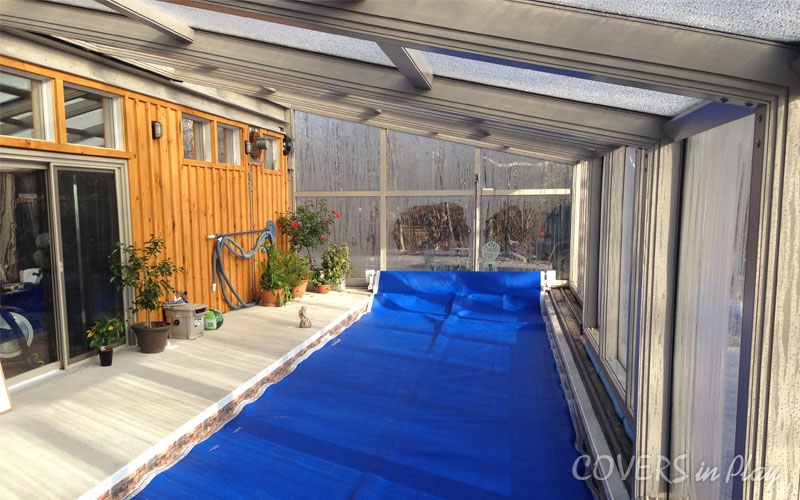
Comparing Pool Enclosure Kits: What Actually Matters
DIY Pool Enclosure Kits vs Engineered Systems
Choosing between DIY options and professionally engineered pool enclosure kits often comes down to risk tolerance and long-term expectations. DIY kits may appear cost-effective upfront, but they frequently lack verified engineering drawings, tested anchoring systems, and compliance support for local building codes. In contrast, engineered systems are designed with precise foundation requirements, load calculations, and installation guidance that reduce structural failure risks. Installation complexity, permit approvals, and long-term maintenance are commonly underestimated with DIY setups. Understanding this distinction helps homeowners select solutions that deliver durability, safety, and regulatory peace of mind rather than short-term savings.
Benefits Overview
Well-designed pool enclosure kits deliver measurable advantages that go beyond basic pool coverage. When engineered correctly, these systems improve usability, safety, and long-term value.
- Extended swim season by retaining heat and shielding the pool from wind and temperature drops
- Improved energy efficiency, reducing heating and chemical costs over time
- Effective debris control, keeping leaves, dust, and insects out of the pool
- Enhanced safety through built-in child protection and controlled access
- Ensure the Commercial Pool Enclosures meet local building codes, permit requirements, and HOA or regulatory guidelines
- Lower maintenance requirements, saving time and ongoing service expenses
- Added privacy without compromising natural light or ventilation
- Increased property usability and long-term value through durable enclosure design
These benefits are maximized when structural quality and materials are prioritized over short-term cost savings.
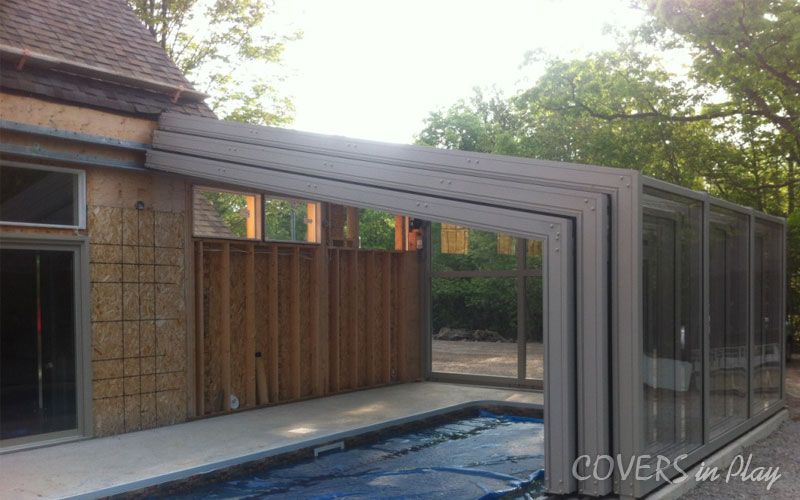
Cost vs Value: Understanding the Real Difference
| Factor | Low-Cost Pool Enclosure Kits | High-Quality Pool Enclosure Kits |
| Initial price | Lower upfront cost, often attractive at first glance | Higher initial investment with engineered components |
| Structural strength | Basic framing with a limited load-bearing structure | Reinforced aluminum frame systems designed for longevity |
| Weather performance | Minimal protection, limited resistance to wind and UV | Tested wind load ratings and strong UV resistance |
| Maintenance needs | Frequent repairs and part replacements | Low ongoing maintenance with durable materials |
| Lifespan | Short-term solution, often 5–8 years | Long-term performance, often 15–20+ years |
| Warranty coverage | Limited or unclear warranties | Comprehensive warranty coverage and manufacturer support |
| Long-term value | Higher lifetime cost due to repairs | Better ROI through durability and reduced upkeep |
This comparison shows why evaluating value, not just price, leads to smarter long-term decisions when selecting pool enclosure kits.
Common Buyer Mistakes to Avoid When Selecting Pool Enclosure Kits
Many issues with pool enclosures arise not from the product itself, but from poor buying decisions. One common mistake is prioritizing price over structural integrity, which often leads to weak anchoring systems and premature wear. Buyers also underestimate climate impact, ignoring wind load ratings and long-term corrosion resistance. Skipping permit checks and local code requirements can result in costly revisions later. Another frequent error is assuming all kits are “DIY-friendly,” despite complex foundation requirements. Avoiding these pitfalls starts with evaluating engineering quality, environmental suitability, and long-term performance, not just surface-level features.
Final Buyer Checklist
Use this practical checklist before purchasing pool enclosures to ensure you’re making a durable, compliant, and long-term investment:
- Confirm climate suitability, including verified wind load ratings and UV resistance
Check frame quality, material thickness, and overall load-bearing structure - Review panel type (screen, polycarbonate, or glass) based on durability needs
- Verify the foundation and anchoring systems requirements for your site
- Ensure the kit meets local building codes, permits, and HOA guidelines
- Understand installation complexity and whether professional support is required
- Evaluate warranty coverage, lifespan expectations, and manufacturer support
- Assess long-term maintenance needs and replacement part availability
Following this checklist helps eliminate guesswork and ensures your enclosure delivers lasting performance, safety, and value.
Conclusion
Choosing the right pool enclosure kits is ultimately about balancing durability, performance, and long-term value, not chasing the lowest upfront price. When structural quality, weather resistance, and engineering support are prioritized, an enclosure becomes a reliable extension of your home rather than a recurring expense. By understanding materials, installation requirements, and real-world performance factors, homeowners can avoid costly mistakes and select solutions built to last. A well-chosen pool enclosure protects your pool, enhances daily usability, and delivers consistent returns through reduced maintenance, improved comfort, and long-term peace of mind.
Frequently Asked Questions:
High-quality pool enclosure kits made with reinforced aluminum frames and durable panels can last 15–20 years or longer, depending on climate conditions and maintenance practices.
Yes, professionally installed enclosures often improve usability, safety, and visual appeal, which can positively impact resale valueespecially in regions where outdoor living spaces are highly valued.
Many systems allow limited customization, such as panel upgrades, ventilation options, or door placements, provided the changes align with the original structural design.
Maintenance is generally minimal and involves periodic cleaning, hardware inspections, and checking seals to maintain performance and appearance over time.
Only enclosures with verified wind and load ratings are suitable for extreme conditions. Choosing an engineered system designed for your local climate is essential for long-term reliability.